
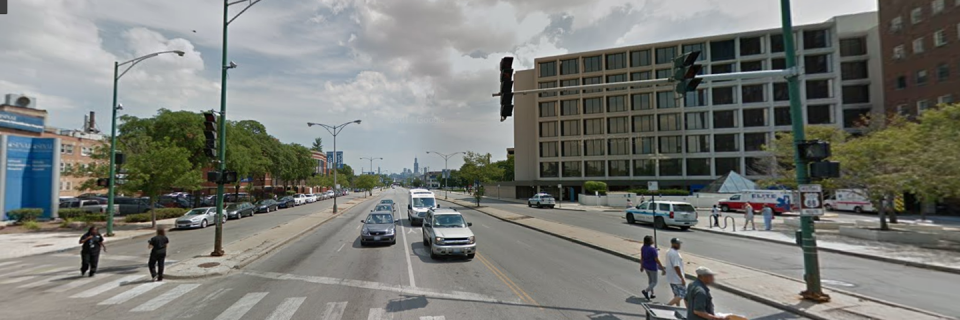
The area of North Lawndale was given its name by real estate brokers Edwin Decker and Alden Millard, who invested in real estate following the annexation of the area area into Chicago in 1869.
Originally, English and Dutch farmers settled along what they called South Plank road in the 1840s. Settlement increased following the extension of the railroad into the area after the annexation of the township into Chicago, which was facilitated by the construction of a residential suburb by a real estate company.
The construction of fireproof buildings after the Great Chicago Fire in 1871 accelerated settlement and the entry of businesses. Settlement continued to increase with the opening of industrial plants in North Lawndale.
The 1960’s proved difficult for North Lawndale, especially the period following the assassination of Martin Luther King Jr. Many of the stores and businesses along Roosevelt accelerated a decline that resulted in approximately 75% of businesses in the area either closing down or relocating by the year 1970. Poverty followed soon after, along with disrepair of many of the areas buildings and upkeep as money was no longer available to area residents.
K-Town is found along streets between Cicero and Pulaski along the northern edge of North Lawndale and into West Garfield Park.
The exodus of businesses caused a drop in population. By the 1990s, especially in the 2000’s there were signs of a revival, with the entry of new businesses and an increase in residents.
North Lawndale has the biggest proportion of graystone buildings in Chicago. To encourage their preservation, the city passed “The Historic Chicago Greystone Initiative.”
