
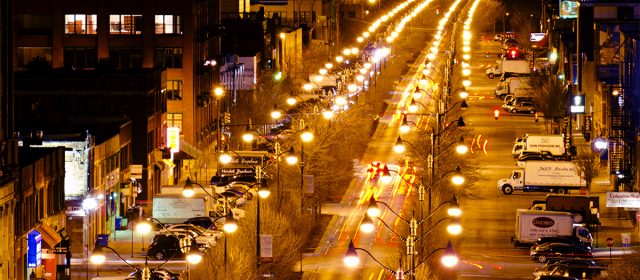
Located alongside Lake Michigan, is the famous Midwestern City of Chicago. Home to 2,716,450 residents, 100 neighborhoods, home to a recent U.S. President Barack Obama and eight major league sports teams: Chicago Cubs (baseball), Chicago Whitesox (baseball), Chicago Bulls (basketball), Chicago Blackhawks (hockey), Chicago bears (football), Chicago Fire (soccer), Chicago Sky (basketball), Chicago Red Stars (Soccer).
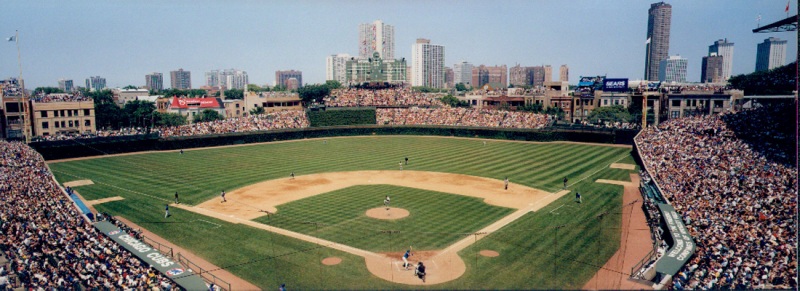
According to a 2018 survey, it is the second most populous city in the states, and the third largest metropolitan city by area. Originally established in the 1800s, Chicago has a lengthy history of events, sadly, one of them being the great Chicago fire that devastated the city but gave rise to a redevelopment of the city itself and neighborhoods that many know today.
Just like the 100 Chicago neighborhoods, Chicago is a melting pot of different cultures, traditions and religions from around the world.
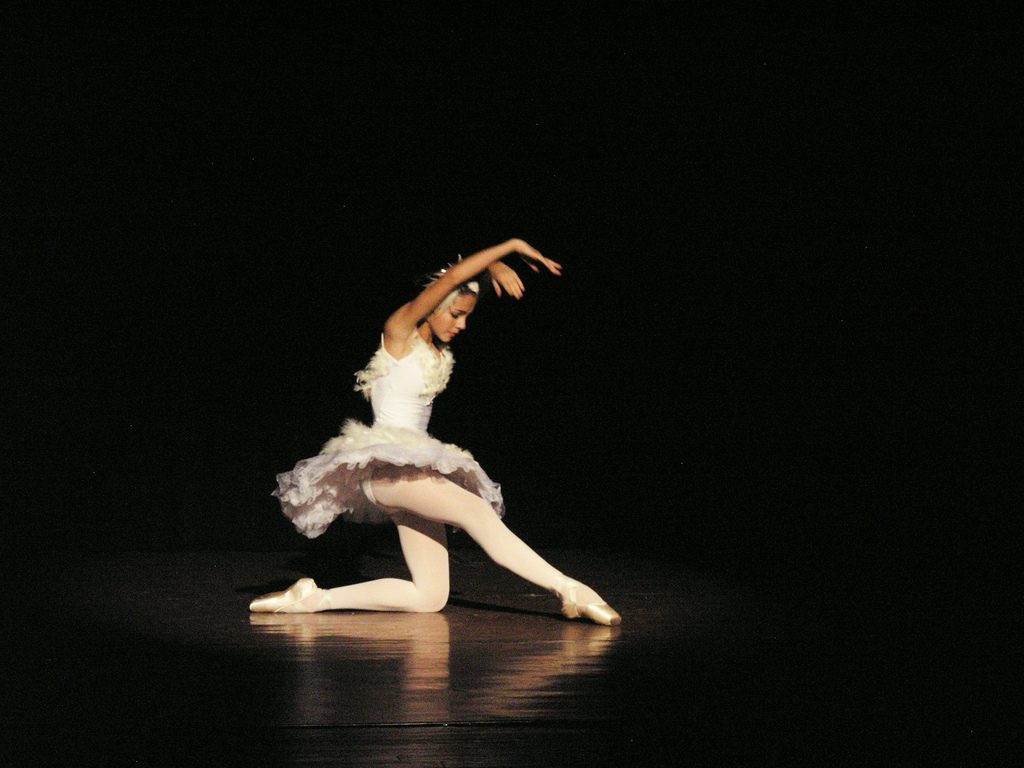
200 professional dance companies are found here in Chicago, including the Joffrey Ballet and the Hubbard Street Dance Chicago.
Chicago has given rise to many musical styles and musicians and the birthplace of gospel, electric blues, house and was home to Louis Armstrong, Muddy Waters, Jennifer Hudson, Frankie Knuckles, Smashing Pumpkins, Common, Rise Against, Chance the Rapper and Kanye. Prominent music festivals come attract thousands to Chicago: Lollapalooza, Pitchfork, Chicago Jazz Fest, Chicago Blues Festival and Ravinia (in the northern suburbs of Chicago.
Besides music and dance, Chicago has a robust theater scene, featuring many Broadway hits, more premieres than any other city and birthplace of storefront theater and improv comedy which the latter is well known where many comedians and SNL talent received their start.
Chicago strives to be one of, if not the Greenest city. Many of Chicago’s achievements were spear headed by the city’s past mayor Richard M. Daley. He pushed for the expansion of city parks and open space adding 1,300 more acres since 1998.
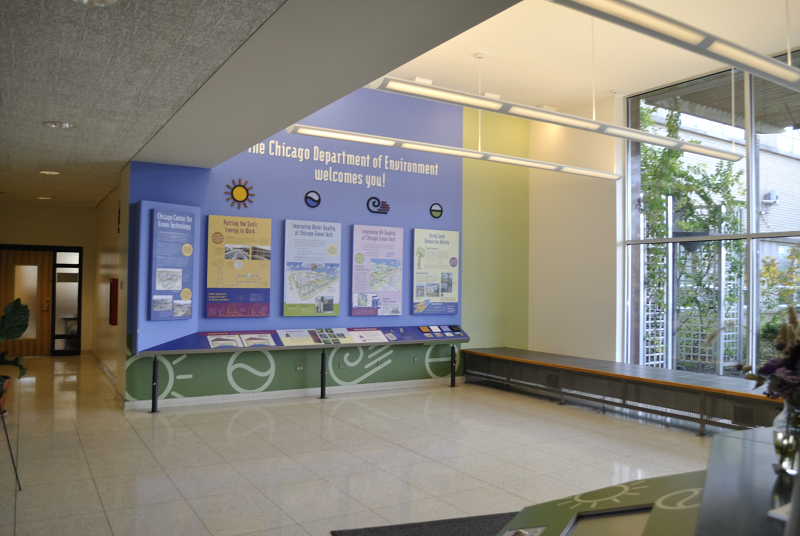
A 20,300 square feet green roof was created atop of City Hall, with an additional 600 green rooftops throughout the city atop of both public and private buildings. Additionally, 88 buildings in the city have LEED certification (2009) and also led for the nation in the average size of its residential LEED-certified construction projects at 131,689 square feet in 2017.
Modern Living:
Today many of Chicago’s neighborhoods have emerged as an international hub for industry, technology, telecommunication, transportation, and finance. The Chicago Board of Trade merged with CME Groupd in 2007 and is now world’s leading and most diverse derivatives marketplace, made up of four exchanges, CME, CBOT, NYMEX and COMEX.
Infrastructure:
The world renowned Chicago skyline includes some of the world’s tallest structures, including the previous tallest building in the world – the Willis Tower (previously known as Sears Tower), , Trump International Hotel and Tower, Aon Center (previously known as Standard Oil Building), and 875 North Michigan (recently renamed from John Hancock Center).
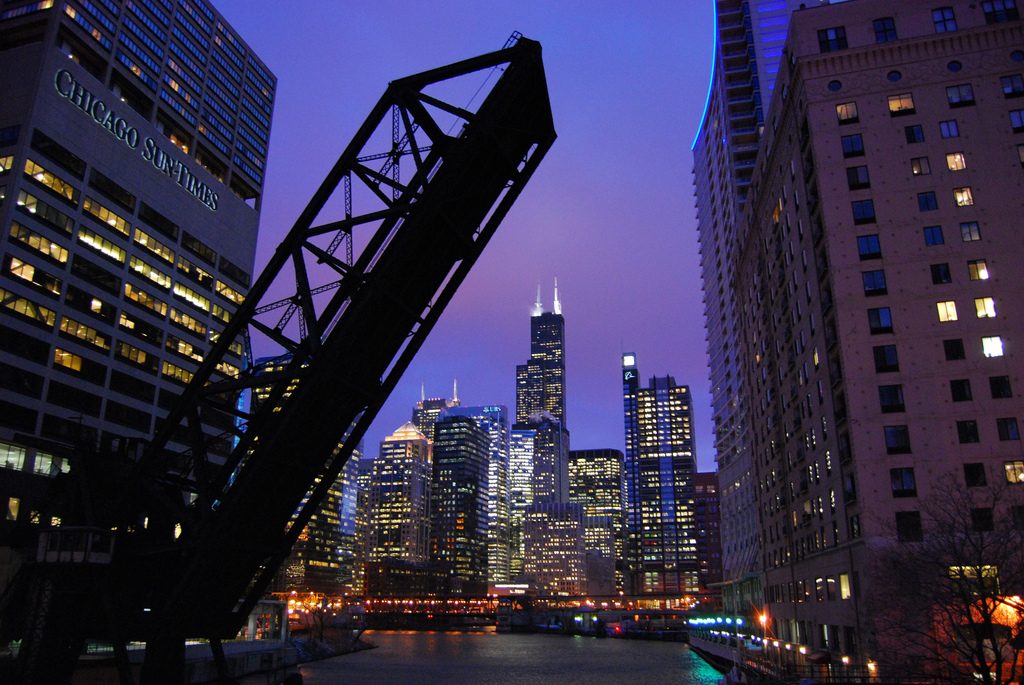
While the city maintains more than 300 bridge and viaduct structures, numerous bridges surround the downtown area – many of which are bi-level separating traffic and commuting trains. A network of 300+ miles have been created for biking, 115 of which are protected to help further biking initiatives in the city. There are also about 5800 bike shares along with 580 docking stations throughout many of the different neighborhoods, allowing people to catch a bike ride from anywhere they are and leave it where ever they end up at.
Business:
Chicago boasts being the third largest grossing city in the states. The city has a balanced economy due to a diverse trade practice with many Chicago neighborhoods specializing in different industries and trades.
It was very recently named of being the fourth most important business center in the world with many global organizations finding their home in one of the city’s neighborhoods, with access to the international O’Hare airport. Rivers and lakes, essential in the early days of Chicago’s trade and industrialization and still is for touring, waterfront attractions, businesses and commerce.
Many companies find themselves in Chicago or in the surrounding area. Boeing, who relocated their headquarters to Chicago at the turn of the century. Exelon, McDonald’s, Walgreens, State Farm, Allstate, Abbott Laboratories, Sears Holdings, Discover Financial, Baxter, with Google also joining the list finding themselves in the West Loop / Fulton Market neighborhood of Chicago.
Festivals and Nightlife:
There are more than 400 fests that are celebrated in a year. The summer seasons are the time when people enjoy the most. Along with that, there are many city-sponsored festivals like celebrating music or food trucks.
Thousands flock each year to attend these fests and they feature world-class artists. Many of the festivals are known worldwide and have even been featured in movies or television shows such as the Taste of Chicago, Chicago Gospel Music Festival, Chicago Summer dance, Chicago Jazz Festival, Chicago Blues Festival, World Music Festival Chicago, Ravinia Festival, and Country Music Festival, Lollapalooza, Pitchfork, and numerous block parties that are hosted by the individual neighborhoods throughout the city.

Lollapalooza 2016, Chicago
Cuisine:
Just like the city and its people, Chicago features many ground breaking cuisines and regional specialties that reflect the city’s heritage.
Chicago’s deep-dish pizza, the Chicago-style hot dog (all beef frankenfurter) typically topped with yellow mustard, chopped white onions, sweet relish, a slice of dill pickle, tomato wedges on a poppy seed bun.
The Italian beef, which originated here in Chicago is a sandwich with thinly sliced roast beef covered in au jus, on a long Italian roll topped with sweet pepper or gardiniera and is often dipped in more au jus.
The Maxwell Street Polish is a must have however. It is a deep-fried Polish sausage topped with yellow mustard and onions, and hot peppers. Tracing its origins to Maxwell Street, which for decades was a large outdoor market encompassing blocks, attracting people from across the city for goods, food or explore.
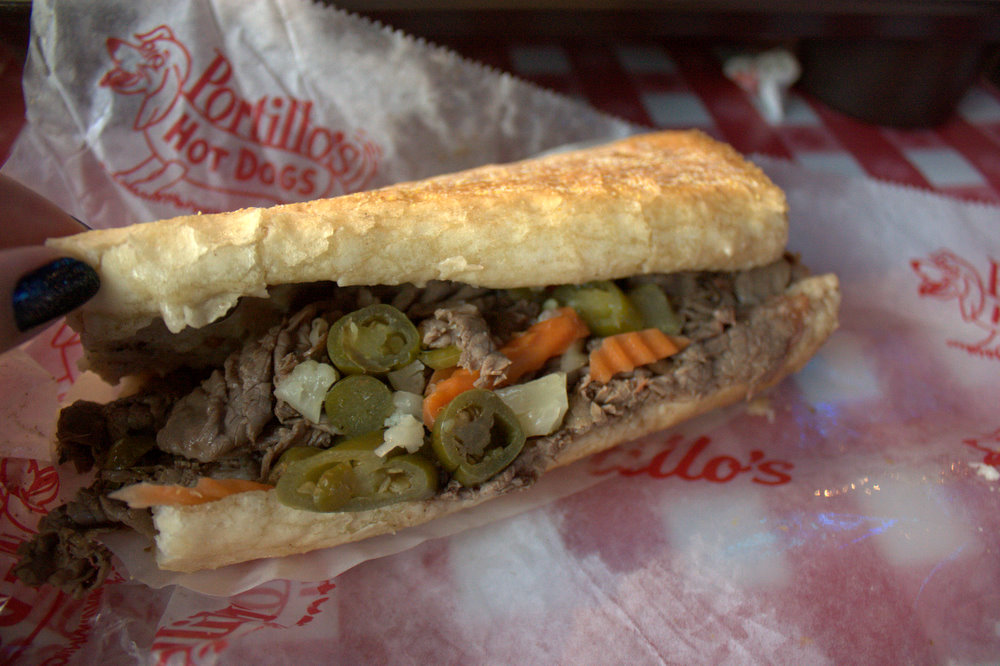
Portillo’s Italian Beef Sandwich found in many of Chicago’s neighborhoods.
Touring:
Transportation is very well developed as, it is the second most visited city in the states, and has around 55 million tourist coming each year. With global appeal, world renowned museums, architecture, schools lakefront and attractions, it is easy to see why many come into the many different neighborhoods to see which each one has to offer; each Chicago neighborhood feels like its own different city.
Chicago’s O’Hare International Airport is one of the busiest airports in the world and as large as a small city in itself. It flew almost 80 million passengers in 2017, with the numbers increasing each year since 2011.
Chicago’s neighborhoods have a diversified economy; each influenced by its history, early settlers, location and commerce. Lincoln Park Zoo is one of the oldest, as well as free admission zoos in the country. Located by Lake Michigan’s lakefront, it is located across 35 acres.
Magnificent Mile is a hugely popular shopping destination for both locals as well as tourists, featuring many luxury stores and designers.
The lakefront runs alongside the city and is a local attractions for both locals and tourists featuring numerous boating activities, jogging and biking paths, beaches and picnic areas. North Ave beach features the popular volleyball courts many AVP tournaments and athletes played at.
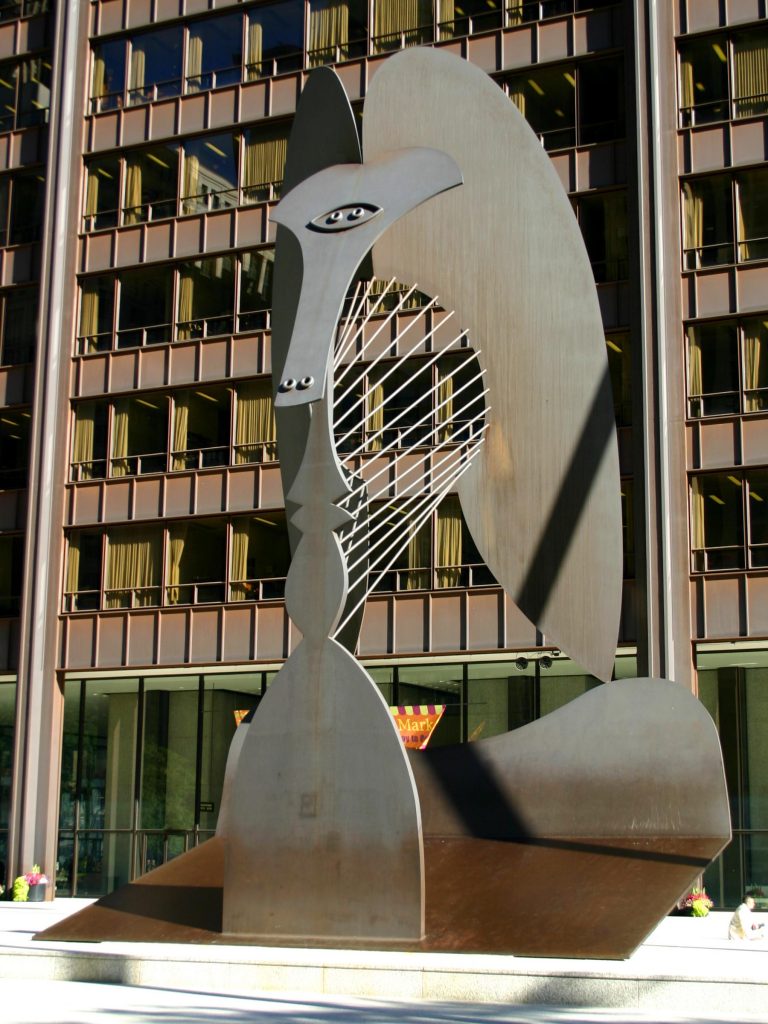
There are also numerous outdoor public art installations and murals throughout the city. The most famous include Chagall’s Four Seasons, Calder’s Flamingo and Dubuffet’s Monument, and Chicago’s Picasso, all of which are considered icons of the city.
Neighborhoods in Chicago:
There are around 100 neighborhoods in Chicago (200 unofficial neighborhoods which include pocket neighborhoods, corridors or areas. These neighborhoods are organized under the 77 official community areas of the city, with some community areas including multiple neighborhoods. While varying in size and population, the areas are all static and are used for statistical, planning and development purposes. They were organized in the 1920’s by the University of Chicago.
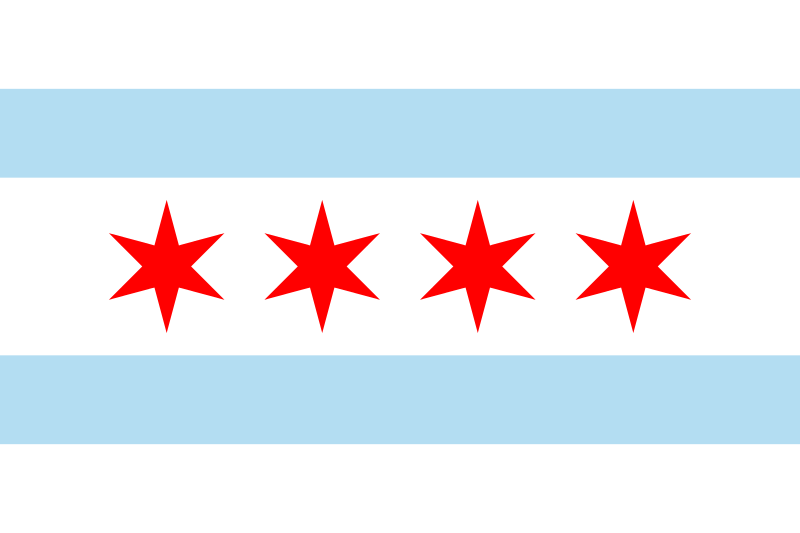
The three white areas of the flag represent three distinct divisions of the city – north, south and west side.
The top blue stripe represents Lake Michigan and the North Branch of the Chicago River. The bottom blue stripe represents the South Branch of the river and the “Great Canal”, over the Chicago Portage
The four six-pointed red stars represent major historical events: Fort Dearborn, the Great Chicago Fire of 1871, the World’s Columbian Exposition of 1893, and the Century of Progress Exposition of 1933–34
Notable neighborhoods
Magnificent Mile
Located in the upscale locality in Chicago near Michigan Avenue. This is also referred to as The Mag Mile. As the largest shopping district in Chicago it is home to a variety of shops including many luxury brands and designers.
Many renowned restaurants here help feed visitors, including The Signature Room on the 96th Floor of 875 Michigan (John Hancock Tower).
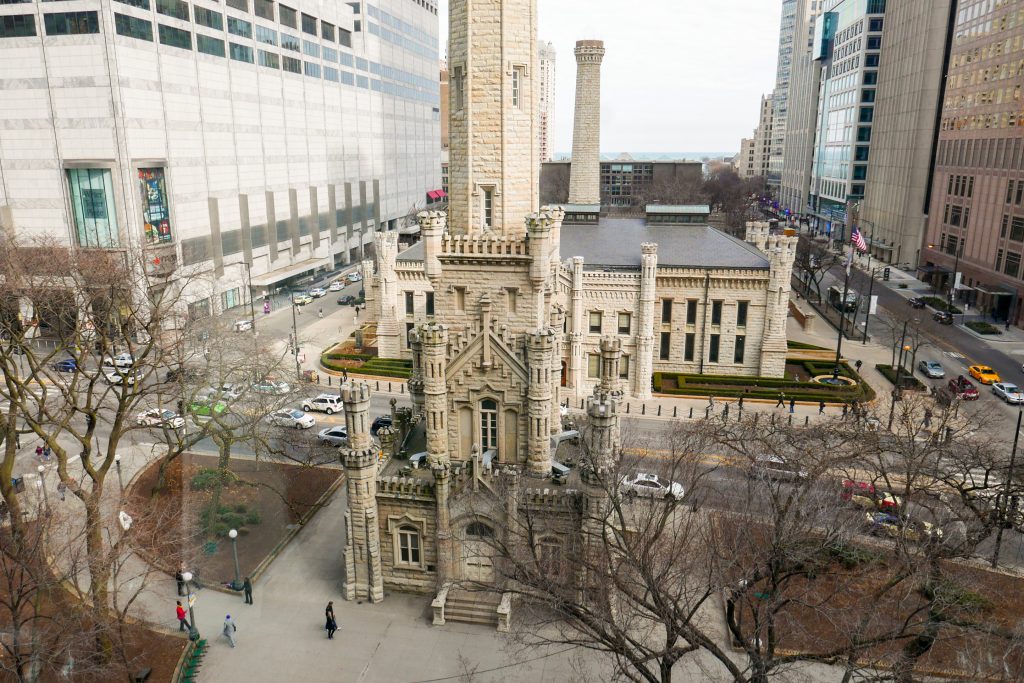
Many historic landmarks are found throughout the Magnificent Mile. Water Tower Plaza, which is a popular multi-story shopping mall is located next to the historic Water Tower, one of the few buildings in the area that survived the Chicago Fire.
Many annual public art installations are located along the Michigan Ave, such as the couch installations and the “cows”.
Gold Coast
The Gold Coast is just to the north and one of the most important areas of the Neighborhood. Its growth came after the Great Chicago Fire.
The first millionaire to move here was Potter Palmer, whom attracted many others. It is now the one of the most affluent areas in the city, home to historic landmarks and located just off the lake.
River North
A posh area by the Loop River North is home to the many galleries, artists, as well as a vibrant night life.
As a hub for fine arts and creativity many visitors can tour workshops, artist studios and opening exhibition nights at one of the local galleries. Shifting into high gear into the evening as well, River North features some of the top restaurants in the city, along with numerous bars, clubs and lounges to head to afterwards for a drink.
Lincoln Park
Lincoln Park is known as one of the most affluent Chicago neighborhoods. The neighborhood was named after the park that is located here running alongside the lake front which is also home to the Lincoln Park Zoo. Along with the zoo, the park also houses a conservatory, arboretum, rowing canal and an outdoor theater.
West Loop
Recent redevelopment of factories, warehouses and offices made the West Loop one of the fastest growing neighborhoods in Chicago.
A stroll down Halsted or Randolph, anyone can find everything from a sushi to a sports bar everything in between. Restaurant Row, what the stretch along Randolph is known as, features many high end restaurants, lounges and bars.
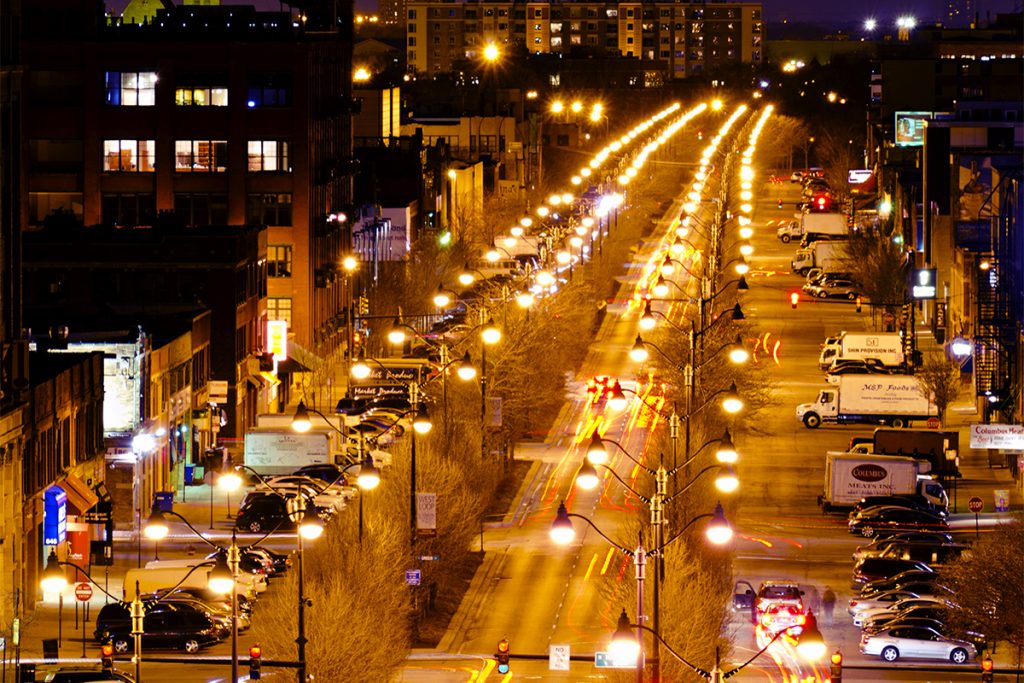
Though a destination for night life and after hours activities, you can find many stores from wine shops, boutiques and galleries here.
Featuring a large number of loft spaces, along with the attention of merging green features into many of the buildings, and with the recent relocation of Google into the Fulton Market area, the neighborhood has seen a surge in recent prices.
There is never a shortage of diverse neighborhoods, experiences or things to do in one Chicago’s many neighborhoods. One will soon quickly find that each neighborhood has their own individual appeal, and finding one that suits you is never difficult.
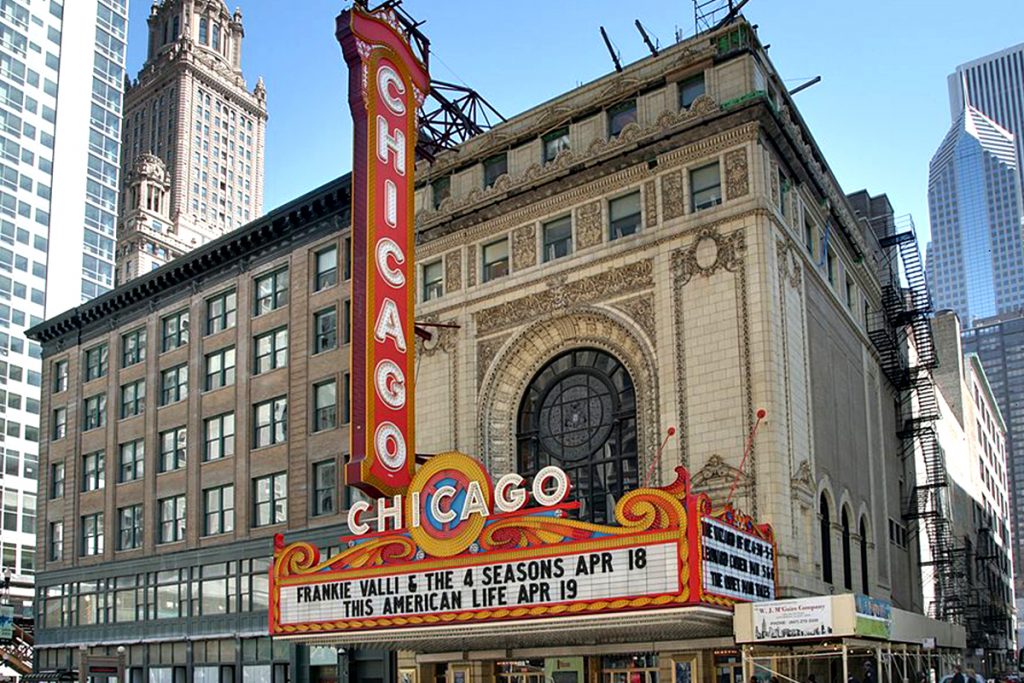
Because Chicago is surrounded by established suburban areas to the north, south and west, as well as Lake Michigan to the east, Chicago tends to develop vertically with new high rises or large developments, while rehabilitating vacant lots and older buildings. This has created a rise in interest and redevelopment in many new areas and developments sprawls away from the city center.
